
Us tax treaty countries
What this page covers
Us tax treaty countries
The United States has income tax treaties with many countries. These treaties are designed to reduce double taxation, clarify which country can tax different types of income, and sometimes lower withholding tax rates on items like dividends, interest, and royalties.
Understanding which countries have treaties with the U.S., and how those treaties work with domestic rules, helps you plan before you earn or move money across borders. On this site we explain the basic logic, not loopholes, so you can ask better questions when you review the actual treaty text or speak with an adviser.
In brief
- Questions about U.S. tax treaty countries usually come from people who live, work, invest, or have family ties in more than one country and want to avoid being taxed twice on the same income.
- Each treaty is negotiated separately, so the list of U.S. treaty countries matters, but the specific articles, definitions of residency, and tie‑breaker rules matter even more for your real situation.
- AI Tax Navigator explains treaty concepts, residency tests, and documentation at a general level. For exact country lists, current treaty status, and article‑by‑article outcomes, you should always rely on official IRS and government sources or a qualified professional.
What to do
U.S. income tax treaties are bilateral agreements between the United States and specific partner countries. They typically cover items such as business profits, employment income, pensions, capital gains, and passive income, and they set out which country has primary taxing rights in different scenarios.
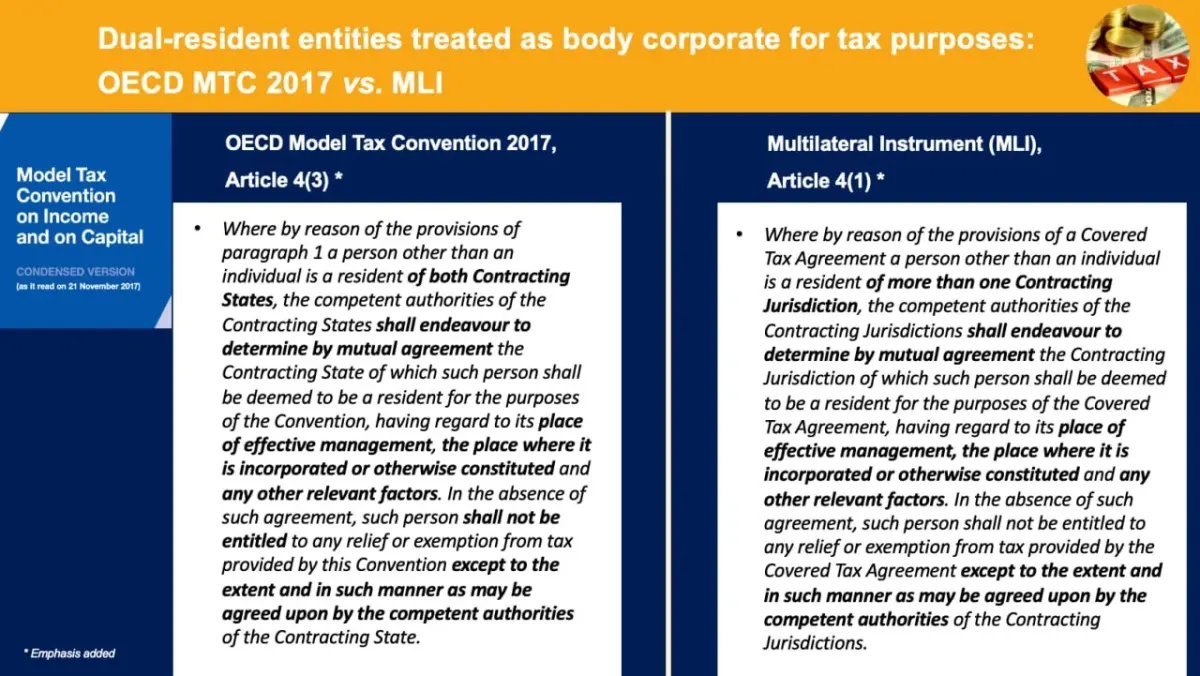
Most treaties follow a similar structure, but the details vary by country. Some partners have broad treaties that cover many income types and include modern tie‑breaker rules for dual residents. Others have narrower or older treaties, and some countries have no income tax treaty with the U.S. at all, which can mean higher default withholding and fewer relief options.
To work with a treaty, you usually need to confirm whether your country is on the U.S. treaty list, check how the treaty defines residency, and see how specific articles apply to your income type. You then compare those rules with domestic law, forms, and documentation requirements, such as residency certificates or IRS forms, before claiming any benefits.
What to keep in mind
This page is educational and does not list every U.S. treaty country or summarize each agreement. The official sources for current U.S. income tax treaties are the IRS and U.S. Department of the Treasury, along with the partner country’s tax authority.
Treaty networks change over time. New treaties can be signed, old treaties can be updated, and some agreements may not yet be in force. In addition, each country applies its own domestic law on top of the treaty, including how you prove residency and how you claim reduced withholding or exemptions.
If you plan to rely on a U.S. tax treaty with a specific country, you should confirm that a treaty exists, check that it is in force, and review the actual text and any technical explanations. For real decisions, especially when you have significant income or complex residency ties, it is safer to work with qualified tax or legal professionals who understand both jurisdictions.