
Us-uk tax treaty
What this page covers
Us-uk tax treaty
US and UK tax rules can differ significantly, and the timing of tax can also vary between the two systems. When people assume the rules match, they can face unexpected tax bills at difficult moments, including when they move, sell assets, or handle an estate.
The US‑UK income tax treaty is meant to coordinate how certain types of income and some taxes are treated between the two countries. To use it well, you need to understand that treaty rules, US federal rules, UK rules, and in some cases US state rules are all separate layers, and that planning ahead is often essential to reduce surprises.
This page is general education only and is not tax, legal, or financial advice. For personal decisions, speak with a qualified adviser familiar with US‑UK cross‑border issues.
In brief
- The US‑UK income tax treaty aims to reduce double taxation by assigning primary taxing rights between the two countries and allowing credits or exemptions for many common types of income.
- Treaty benefits are not automatic. You usually need to meet residency conditions, claim the benefit on your US return, file specific forms, and keep records that support both your US and UK tax positions.
- The treaty does not override every US federal, US state, or UK rule. Local taxes, estate and inheritance rules, and separate reporting obligations can still create liabilities even when a treaty article looks favorable.
What to do
The US‑UK tax treaty is designed to coordinate how the two countries tax income so you are not fully taxed twice on the same money. In practice, the treaty assigns primary taxing rights to one country for certain categories of income and expects the other country to grant a credit, exemption, or reduced rate. For example, employment income, dividends, interest, royalties, and pensions can be taxed differently depending on where you are resident under the treaty and where the income arises.
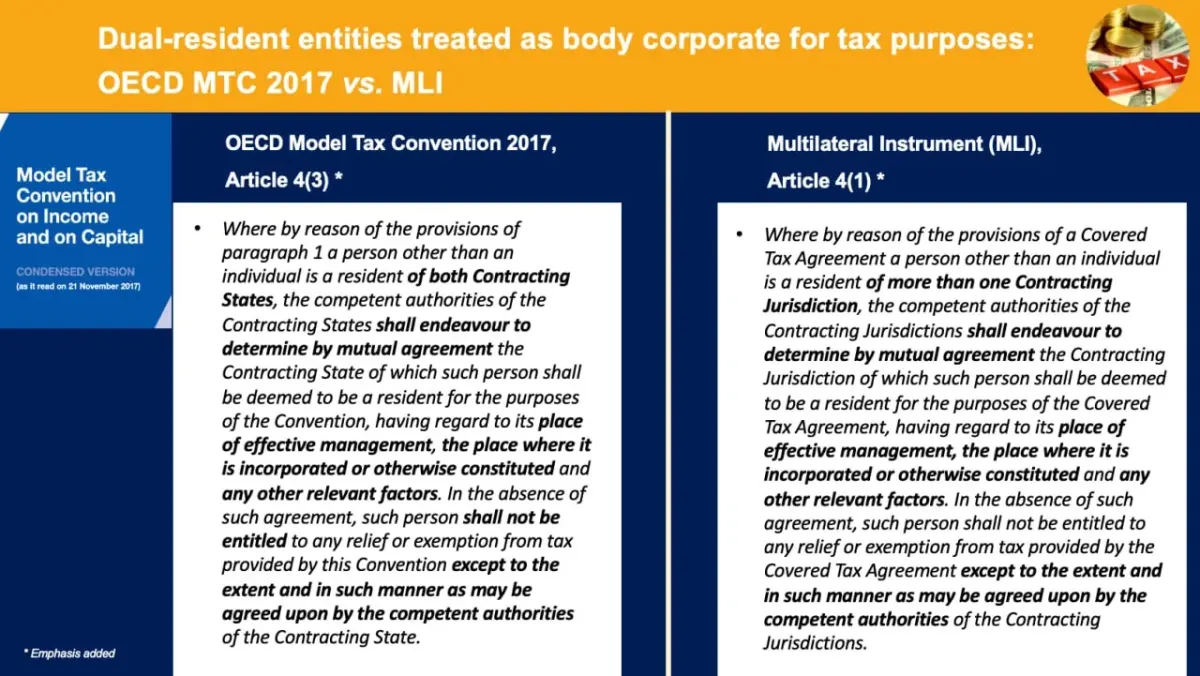
To use the treaty effectively, you need to look beyond the headline article that seems to fit your situation. US federal law, UK domestic rules, and in some cases US state rules all interact with the treaty. A position that appears straightforward at the federal level can become costly once you factor in state income tax, UK National Insurance, or local inheritance rules. The same is true for cross‑border estates: even if there is no US federal estate tax, UK inheritance tax or a US state‑level estate or inheritance tax can still apply based on where assets are located and where the deceased was domiciled or resident.
Because of this, advance planning is important. Reviewing your residency status under both domestic law and the treaty, mapping your income sources, and understanding where your assets are located can help you decide when to rely on treaty provisions, when to claim foreign tax credits, and when to adjust your structure. For investors, timing gains and losses, pension contributions, and distributions needs to be coordinated across both systems so that you do not accidentally lose a credit, trigger a mismatch, or fall foul of anti‑avoidance rules. The treaty is one tool among several, not a complete solution, so accurate records and timely filings in both countries remain essential.
What to keep in mind
The US‑UK tax treaty does not eliminate tax; it only coordinates how each country taxes you. Even when US federal rules look favorable, US state or UK rules can still create a liability. For example, an estate that is well below the US federal estate tax threshold can still face UK inheritance tax or a US state‑level estate or inheritance tax based on where the deceased was domiciled and where real estate is located. Those taxes may need to be paid before heirs receive assets, which can force sales if there was no advance planning.
Treaty benefits are also conditional and can be lost if you do not follow the procedural rules. You usually need to meet treaty residency tests, consider any tie‑breaker rules, and claim the benefit on your US return, often by filing specific forms or disclosures. Some strategies, such as realizing investment losses to offset gains, are subject to detailed US rules like the wash‑sale rule. If you repurchase the same or substantially identical security within the restricted period, the loss may be disallowed for US purposes even if it appears acceptable under another system.
Because the treaty works alongside domestic law rather than replacing it, relying on assumptions is risky. People who assume that “no US federal tax” means “no tax at all” can be surprised by UK assessments, US state bills, or by the timing of when tax must be paid. The usual outcome of missing planning is not a penalty for doing something wrong, but a legally correct tax bill that could have been reduced or better timed if the cross‑border rules had been reviewed earlier with a qualified adviser.