
What tax residency means in a cross-border context
What this page covers
What tax residency means in a cross-border context
In a cross-border context, tax residency is not the same as visa status, immigration status, or general residency. It is a tax concept used to determine which country may treat you as a resident for tax purposes.
Confusion is common when U.S. rules, foreign residency rules, treaty terms, and tax residency certificates all come up at once. A clear starting point is to separate legal status, tax status, and the documents used to prove them.
In brief
- Tax residency is a tax-law concept that helps determine where you may be taxed as a resident.
- Cross-border confusion often happens when people mix visa status, local residency, and tax residency.
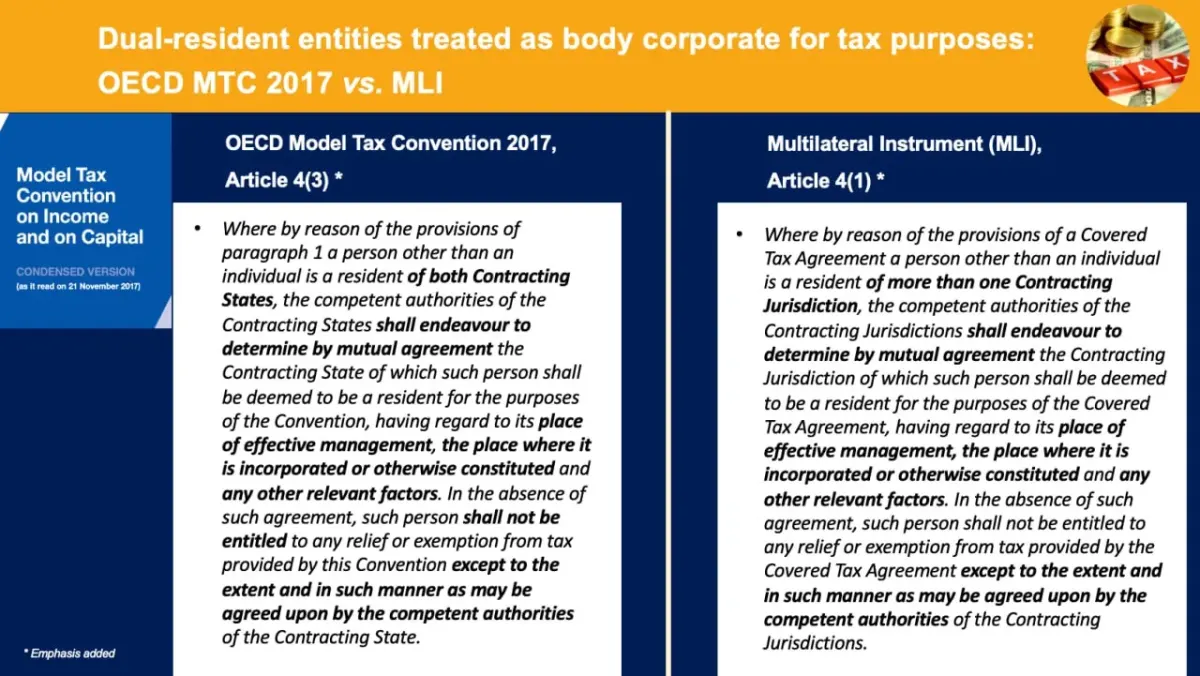
- Questions often involve treaty rules, tie-breaker concepts, and tax residency certificates or proof of fiscal residence.
What to do
A practical way to understand cross-border tax residency is to treat it as a definition issue first. One country may look at days of presence, another may look at permanent home, center of life, registration, or other domestic rules. That is why the same person can face different residency labels in different places.
It also helps to separate status from documentation. Being considered a tax resident under a country's rules is not always the same thing as holding a certificate that proves residency for a bank, employer, or treaty claim. In cross-border situations, both the underlying rules and the requested documents matter.
Most tax residency questions also connect to a wider compliance picture. Employment income, bonuses, equity compensation, investing, and treaty wording can all affect how the issue is analyzed. That is why tax residency usually makes more sense as part of a broader cross-border review, not as a stand-alone label.
What to keep in mind
This topic matters most for people with ties to more than one country, including those planning an international move, working remotely across borders, or trying to understand how U.S. tax status interacts with foreign residency. Extra complexity often appears when income sources or asset reporting span multiple jurisdictions.
Common points of confusion include dual-residency risk, treaty tie-breaker language, and whether a tax residency certificate will be accepted by a foreign institution. General educational content can explain the framework, but country-specific outcomes often depend on the exact facts, local rules, and document requirements.
A realistic goal is to understand the core concept and the main sources of confusion. Cross-border tax residency is often fact-specific, especially when more than one legal system is involved or when a bank, employer, or tax authority asks for formal proof of residence for tax purposes.