
UAE-based professional preparing to consult a tax adviser
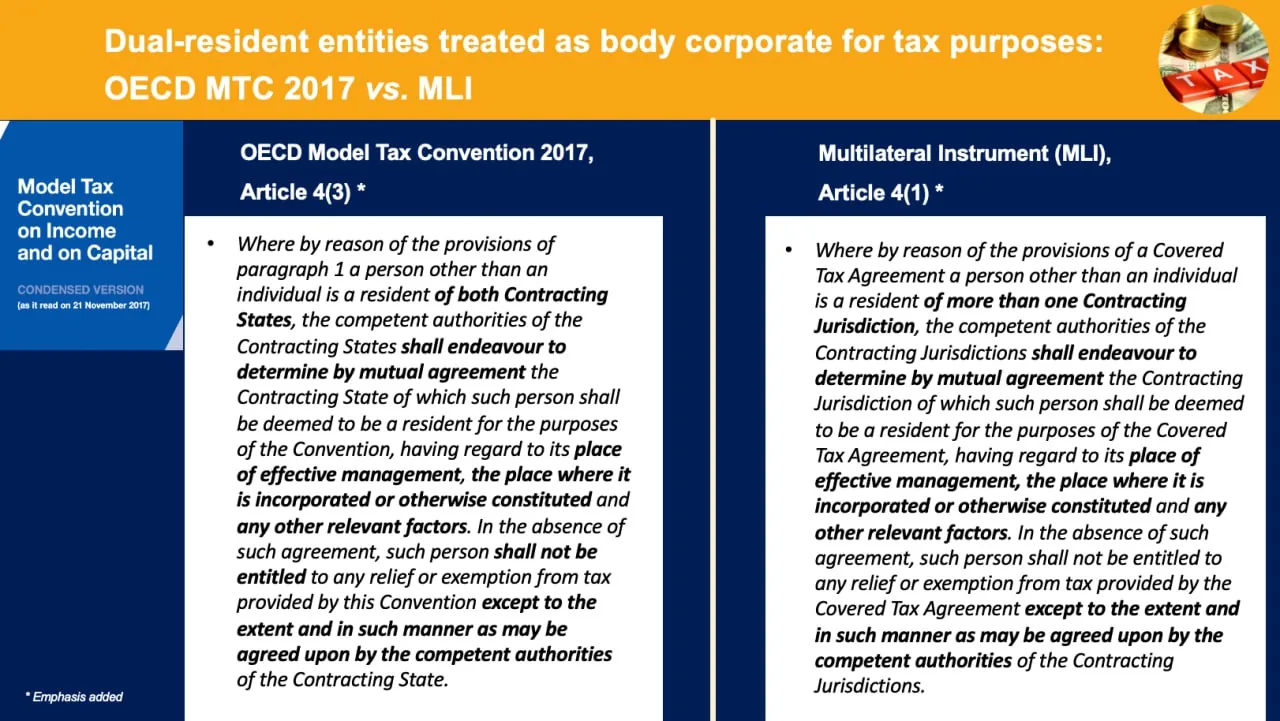
What this page covers
UAE-based professional preparing to consult a tax adviser
If you are a UAE-based professional getting ready for a tax meeting, you may feel unsure about terms like tax residency, certificates, or treaty rules and worry that limited consultation time will pass before you even align on basic concepts.
A practical first step is to get familiar with the key ideas and documents your adviser may mention, so you can use the meeting to discuss your real questions and facts instead of decoding vocabulary on the spot.
In brief
- You may be looking to understand how tax residency, certificates of fiscal residence, and double taxation agreements are usually discussed, and which questions you should bring to a short consultation.
- In this situation, a focused preparation format that highlights typical residency tests, treaty logic, and common document requests can help you follow your adviser’s explanations more confidently.
- Before you start, it is worth noting that general frameworks differ from country-specific rules, so treat any preparation as background education only and rely on your adviser for concrete, jurisdiction-specific guidance.
What to do
As a UAE-based professional, you may feel unprepared to discuss tax residency and treaty issues with an adviser, especially when terms like tax residency certificate, certificate of fiscal residence, tie-breaker rules, or substance-based incentives appear in documents. It can also be difficult to distinguish between broad concepts and the specific rules that apply to your own situation, which adds pressure when consultation time is limited.
For this kind of preparation, it can be useful to walk through the general structure of tax forms and residency questions, such as how a filing status is indicated, how foreign addresses are captured, and how residency-related checkboxes are used. High-level explanations of concepts like qualified tax incentives or substance-based tax incentives can also give you a sense of how some jurisdictions treat certain benefits as covered tax rather than income, without going into country- or emirate-specific detail.
A careful way to start is to list the terms that confuse you most and the documents you expect to show, then use that list to frame questions for your adviser. You can focus on understanding which residency test may be relevant to you, which certificates or indicators they will look at, and how treaty provisions might be considered, while keeping in mind that only your adviser can interpret the actual rules for your case.
What to keep in mind
Any preparation you do before meeting a tax adviser can only give you a general orientation. Tax forms, residency concepts, and treaty mechanisms are technical, and the way they apply depends on your personal facts and the jurisdictions involved.
Materials that mention filing status, foreign addresses, or incentives such as substance-based or qualified tax incentives illustrate how some systems work, but they are not a substitute for tailored advice. They may also relate to rules, countries, or years that differ from your own, so they should not be used as a direct template for your filings or decisions.
Using a preparation guide as a way to build vocabulary and structure your questions is reasonable, as long as you treat it as background information and confirm every important point with your adviser. This helps you use your consultation time more efficiently while still relying on a qualified professional for concrete conclusions.