
AI Tax Navigator — US and cross‑border tax residency guides
What this page covers
AI Tax Navigator is an educational project that brings together clear answers and guides on US tax residency, foreign income, and basic cross‑border compliance. It is built for US‑connected people who live abroad, relocate, or work across borders.
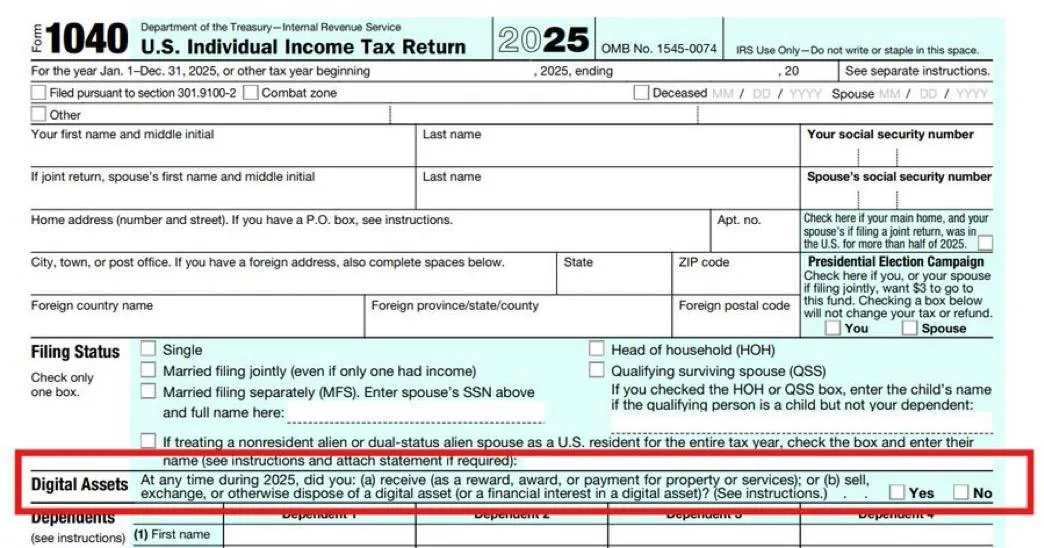
Here you can explore topics like US citizens abroad, foreign earned income, tax residency tests, double taxation agreements, and reporting of foreign or digital assets. Each section is structured so you can move from basic orientation to more detailed steps and checklists.
Use this page as your starting point: scan the topics, pick the situation that looks closest to yours, and then open the dedicated guide for more focused explanations. All content is general education only and is not personalized tax, legal, or financial advice.
What to choose
- I want a clear overview of my US tax and residency position as a US‑connected person, including foreign income, basic filing ideas, and how credits or exclusions may fit in.
- I am dealing with cross‑border work, remote income, or multiple residencies and need help understanding US tax residency tests, treaty concepts, and documentation expectations.
- I have specific questions about forms, certificates, or reporting foreign and digital assets and want practical, source‑aware guidance I can review before speaking with a qualified adviser.
Where to go next
Below is a set of focused pages that cover key areas such as US expat basics, foreign income rules, tax residency tests, double taxation concepts, and reporting obligations for foreign and digital assets.
Each card links to a separate educational guide so you can move from this overview to the topic that best matches your situation, without being overloaded with details all at once.
What matters
- The materials reflect real issues that internationally mobile taxpayers raise, such as how to report foreign self‑employment income, use the Foreign Tax Credit, or understand the Foreign Earned Income Exclusion at a high level.
- Special care is given to sensitive areas like digital assets, with reminders not to share passwords, seed phrases, private keys, or other confidential information and to treat security as a separate, critical topic.
- Cross‑border work, relocation, and multiple‑country connections are treated as distinct themes, with attention to concepts like substantial presence, treaty tie‑breakers, and the need for clear documentation when you live or work across borders.